
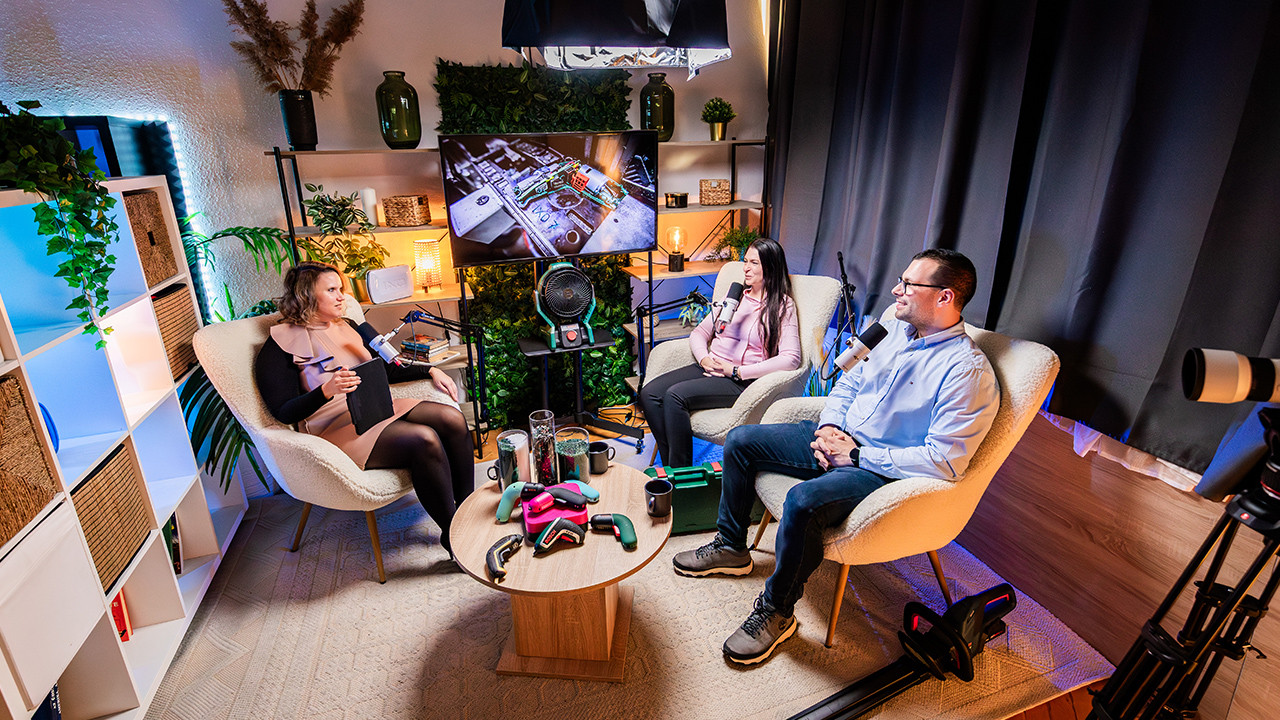
The history of Bosch power tools did not begin with a traditional drill. Early developments were based on a hand motor used in hair clippers, which was initially intended for internal use in the factory’s facilities. This was the basis for the technology that produced one of its first remarkable results, the “Bosch hammer”, introduced in 1932. At the time, this electric drill significantly increased efficiency in the construction industry and was also used in large-scale investments.
The role of power tools has changed constantly over the decades. Since the 1950s, there has been a growing demand for these tools to be used not only in industrial environments, but also for everyday household and hobby purposes. In response, Bosch launched a series of product developments aimed at DIY users, making power tools part of everyday life.








User expectations have changed significantly
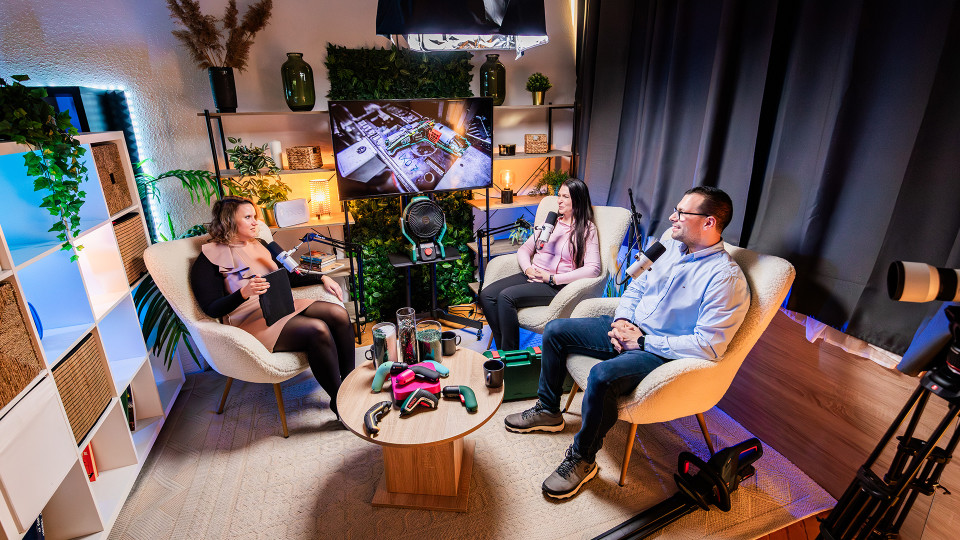
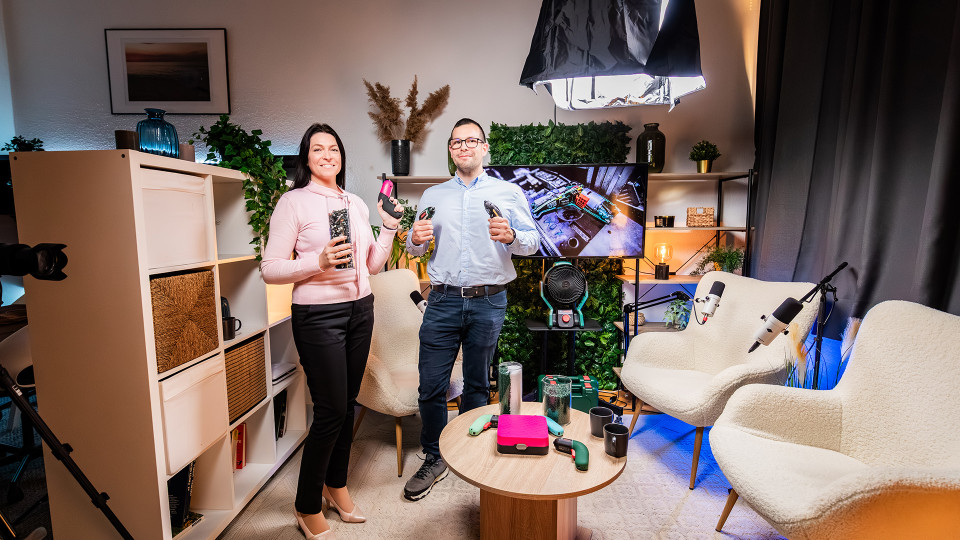
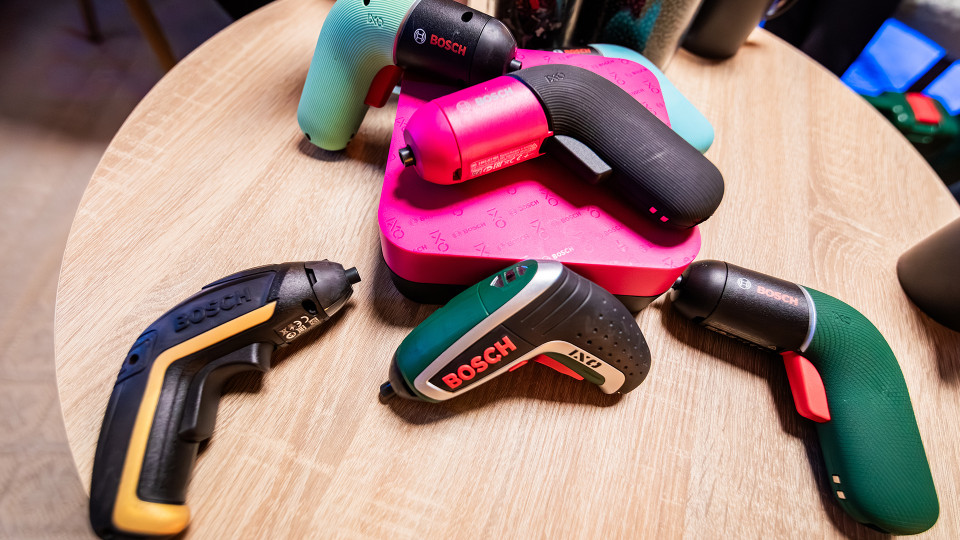
One of the main insights from the podcast is that user expectations have changed dramatically in recent years. In the past, the main factor for battery-powered tools used to be performance, but today there is more and more emphasis on easy handling, compact size and ergonomics. The aim of the developments is to ensure that these machines provide the exact level of performance that is required for the given task, with the lowest strain possible. Earlier models required users to deal with batteries weighing several kilograms and limited operating times, but today, technological advances have significantly reduced weight and increased performance. The introduction of compact battery-powered screwdrivers has also attracted new groups of users to the world of power tools.
In the Bosch podcast, the experts confirmed that having both production and development operate in the same location in Miskolc means fast response time and effective feedback in everyday practice. Experience gained during production is immediately passed on to developers, and modifications are implemented within a short time. The history of power tool manufacturing in Miskolc began in the early 2000s, and within a few years, it continued in a new, modern facility. Over the years, the plant has undergone significant expansion and now includes several production halls and a modern logistics center serving several countries. The packaging and configuration capacity of the plant allows products to be adapted to the needs of different markets.
Sustainability is reflected in the products
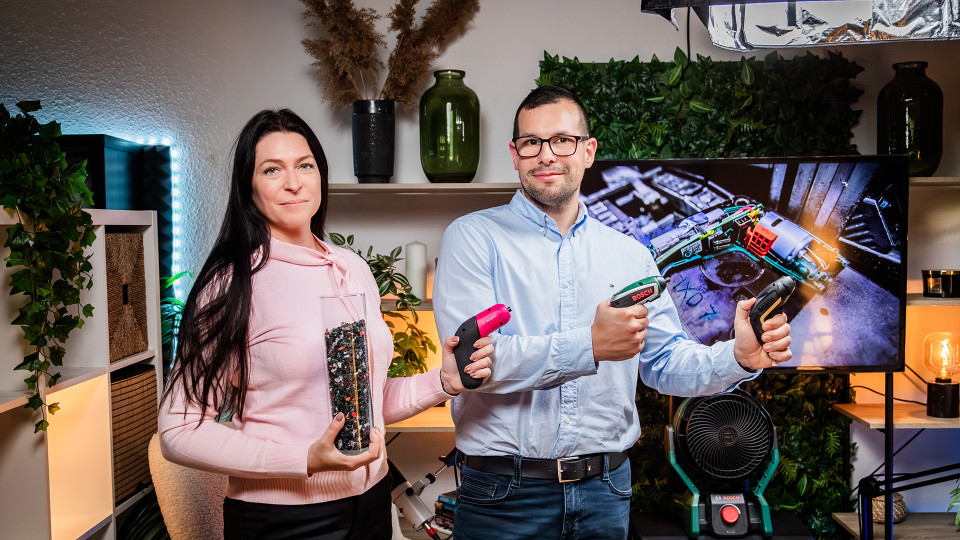
In line with current trends, special attention is paid to sustainability aspects during development and production, with a particular focus on the use of recycled plastics. Bosch aims to ensure that environmental aspects are reflected not only in the infrastructure, but also in the products. For years, the company has been committed to making more and more components and storage boxes from recycled materials. In the episode, experts emphasize that recycled plastic must not mean a compromise on quality. These materials must pass the same strict durability and safety tests as conventional raw materials. During testing, developers simulate real-life situations, such as drop tests and transport loads, to ensure that the products remain durable in everyday use.
Moving closer to the next step
According to the experts, the development of power tools is moving towards assisted use. The goal is for the machines to support users in increasingly complex situations. For example, they should warn users in case of incorrect use, help avoid overload, and in the long run, even contribute to more precise and safer work by recognizing materials. Artificial intelligence plays a role in several areas already, such as logistics processes, but in the future, it may also appear in solutions supporting user experience.
Bosch Hungary Podcast: technology in simple terms
The Bosch Hungary Podcast seeks easy-to-understand answers to the most pressing questions about the technology of the future with the help of expert guests, covering the latest topics in innovation, research and development. If you are interested in learning more about how the hand motor of a hair clipper revolutionized power tools, you can listen to the answers and even watch them on the Bosch Hungary YouTube, Spotify, Apple Podcasts and Simplecast podcast channels.
Zita Hella Varga
Phone: +36 70 667-6374
Bosch has been present in Hungary since 1898 with its products. After its re-establishment as a regional trading company in 1991, Bosch has grown into one of Hungary’s largest foreign industrial employers with currently nine subsidiaries. In fiscal 2024 it had total net sales of 2058 billion forints and consolidated sales to third parties on the Hungarian market of 313 billion forints. The Bosch Group in Hungary employs more than 17,400 associates (as of December 31, 2024). In addition to its manufacturing, commercial and development business, Bosch has a network of sales and service operations that covers the entire country.
The Bosch Group is a leading global supplier of technology and services. It employs roughly 418,000 associates worldwide (as of December 31, 2024). The company generated sales of 90.3 billion euros in 2024. Its operations are divided into four business sectors: Mobility, Industrial Technology, Consumer Goods, and Energy and Building Technology. With its business activities, the company aims to use technology to help shape universal trends such as automation, electrification, digitalization, connectivity, and an orientation to sustainability. In this context, Bosch’s broad diversification across regions and industries strengthens its innovativeness and robustness. Bosch uses its proven expertise in sensor technology, software, and services to offer customers cross-domain solutions from a single source. It also applies its expertise in connectivity and artificial intelligence in order to develop and manufacture user-friendly, sustainable products. With technology that is “Invented for life,” Bosch wants to help improve quality of life and conserve natural resources. The Bosch Group comprises Robert Bosch GmbH and its roughly 490 subsidiary and regional companies in over 60 countries. Including sales and service partners, Bosch’s global manufacturing, engineering, and sales network covers nearly every country in the world. Bosch’s innovative strength is key to the company’s further development. At 136 locations across the globe, Bosch employs some 87,000 associates in research and development
Additional information is available online at www.bosch.hu, iot.boschblog.hu, www.bosch.com, www.iot.bosch.com, www.bosch-press.com, www.twitter.com/BoschPresse